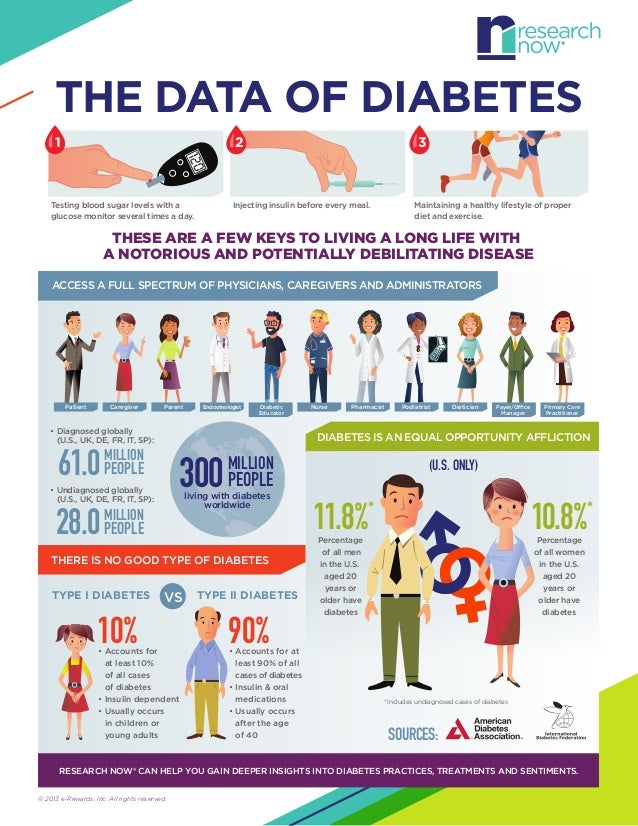
Treatment for diabetes aims to keep your blood glucose levels as normal as possible and control your symptoms to prevent health problems developing later in life.
If you've been diagnosed with type 2 diabetes, your GP will be able
to explain your condition in detail and help you understand your
treatment.
They'll also closely monitor your condition to identify any health
problems that may occur. If there are any problems, you may be referred
to a hospital-based diabetes care team.
Making lifestyle changes
If you're diagnosed with type 2 diabetes, you'll need to look after your health very carefully for the rest of your life.
This may seem daunting, but your diabetes care team will be able to
give you support and advice about all aspects of your treatment.
After being diagnosed with type 2 diabetes, or if you're at risk of
developing the condition, the first step is to look at your diet and
lifestyle and make any necessary changes.
Three major areas that you'll need to look closely at are:
- eating healthily
- losing weight if you're overweight
- exercising regularly
You may be able to keep your blood glucose at a safe and healthy level without the need for other types of treatment.
Diet
Increasing the amount of fibre in your diet and reducing your sugar and fat intake, particularly saturated fat, can help prevent type 2 diabetes, as well as manage the condition if you already have it.
You should:
- increase your consumption of high-fibre foods, such as wholegrain bread and cereals, beans and lentils, and fruit and vegetables
- choose foods that are low in fat – replace butter, ghee and coconut oil with low-fat spreads and vegetable oil
- choose skimmed and semi-skimmed milk, and low-fat yoghurts
- eat fish and lean meat rather than fatty or processed meat, such as sausages and burgers
- grill, bake, poach or steam food instead of frying or roasting it
- avoid high-fat foods, such as mayonnaise, chips, crisps, pasties, poppadoms and samosas
- eat fruit, unsalted nuts and low-fat yoghurts as snacks instead of cakes, biscuits, bombay mix or crisps
Weight
If you're overweight or obese – you have a body mass index (BMI) of 30 or over – you should lose weight by gradually reducing your calorie intake and becoming more physically active.
Losing 5-10% of your overall body weight over the course of a year is a realistic initial target.
You should aim to continue to lose weight until you've achieved and maintained a BMI within the healthy range, which is:
- 18.5-24.9kg/m² for the general population
- 18.5-22.9kg/m² for people of south Asian or Chinese origin –
south Asian includes people from Bangladesh, Bhutan, India,
Indian-Caribbean, Maldives, Nepal, Pakistan and Sri Lanka
If you have a BMI of 30kg/m² or more (27.5kg/m² or more for people of
south Asian or Chinese origin), you need a structured weight loss
programme, which should form part of an intensive lifestyle change
programme.
To help you achieve changes in your behaviour, you may be referred to
a dietititian or a similar healthcare professional for a personal
assessment and tailored advice about diet and physical activity.
Physical activity
Being physically active is very important in preventing or managing type 2 diabetes.
For adults who are 19-64 years of age, the government recommends a
minimum of:
- 150 minutes (2 hours and 30 minutes) of moderate-intensity aerobic activity – such as cycling or fast walking – a week, which can be taken in sessions of 10 minutes or more, and
- muscle-strengthening activities
on two or more days a week that work all major muscle groups – the
legs, hips, back, tummy (abdomen), chest, shoulders and arms
An alternative recommendation is to do a
minimum of:
- 75 minutes of vigorous-intensity aerobic activity, such as running or a game of tennis every week, and
- muscle-strengthening activities on two or more days a week that work all major muscle groups – the legs, hips, back, abdomen, chest, shoulders and arms
In cases where the above activity levels are unrealistic, even small
increases in physical activity will be beneficial to your health and act
as a basis for future improvements.
Reduce the amount of time spent watching television or sitting in
front of a computer. Going for a daily walk – for example, during your
lunch break – is a good way of introducing regular physical activity
into your schedule.
If you're overweight or obese, you may need to be more physically active to help you lose weight and maintain weight loss.
Your GP, diabetes care team or dietitian can give you more
information and advice about losing weight and becoming more physically
active.